Resumen Celeste
Exportar PDF del Resumen Celeste
Incluir cartas de localización para los objetos seleccionados:
Esta Noche de un Vistazo
Pronóstico de Aurora — Very unlikely
Geomagnetic activity far below the Kp 8 needed at your latitude.
Ver pronóstico completoDatos Planetarios
Objetivos para Prismáticos
Telescopios Pequeños (3–6 pulgadas)
Telescopios Grandes (8–12 pulgadas)
La Semana que Viene
| sáb | dom | lun | mar | mié | jue | vie |
| 🌘 19% | 🌘 11% | 🌘 6% | 🌑 2% | 🌑 0% | 🌑 1% | 🌒 4% |
| — | — | — | — | — | — | — |
| Moon occults Gamma Cap | Moon occults Lambda Aqr | New Moon |
Collimate your reflector
A well-collimated telescope shows sharper stars and more detail. Use our interactive Collimation Guide to learn how.
Collimation GuideImagen Astronómica del Día de la NASA
A Year for K2-315b
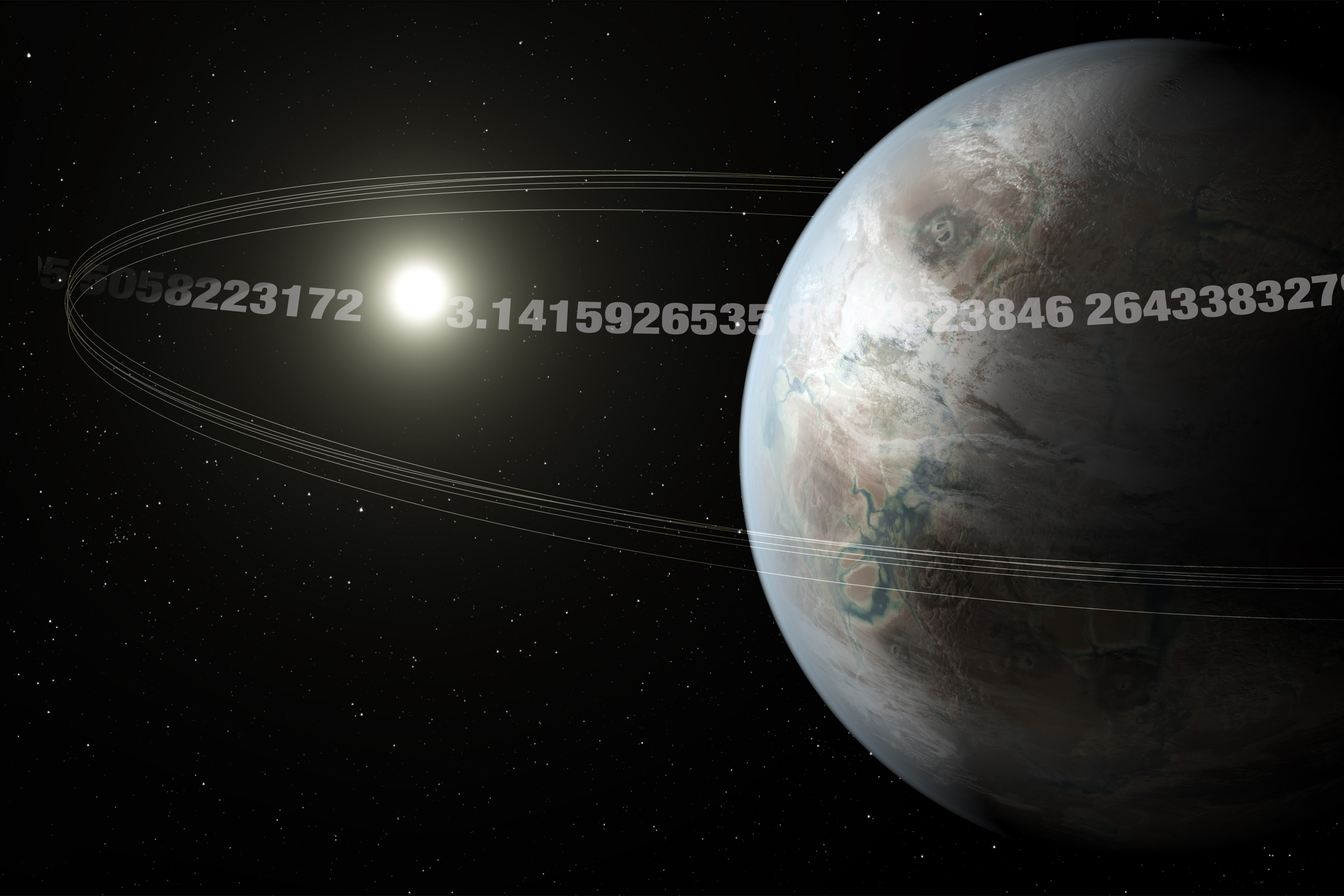
Want to visit a planet that has 3.14 days in a year? Then plan a trip to K2-315b, an earth-sized planet orbiting around a cool, red, M dwarf star about once every 3.14 days. The exoplanet's discovery, based on publicly available data from the planet-hunting Kepler Space Telescope's extended K2 mission, was announced in 2020. K2-315b's measured orbital period in days is nearly equal to the extremely popular irrational number Pi. That puts the exoplanet so close to its parent star that its surface is likely very warm, baking-hot in fact. And this Pi planet is over 185 light-years away. So instead of trying to arrange for an interstellar vacation to K2-315b, there may be easier and more comfortable ways for you to celebrate Pi day on planet Earth.
APOD es un servicio de la NASA y Michigan Tech. U.
Ver en NASA APODInicia sesión para recibir este resumen por email y personalizarlo según tu ubicación.