Über Psyche
Beschreibung
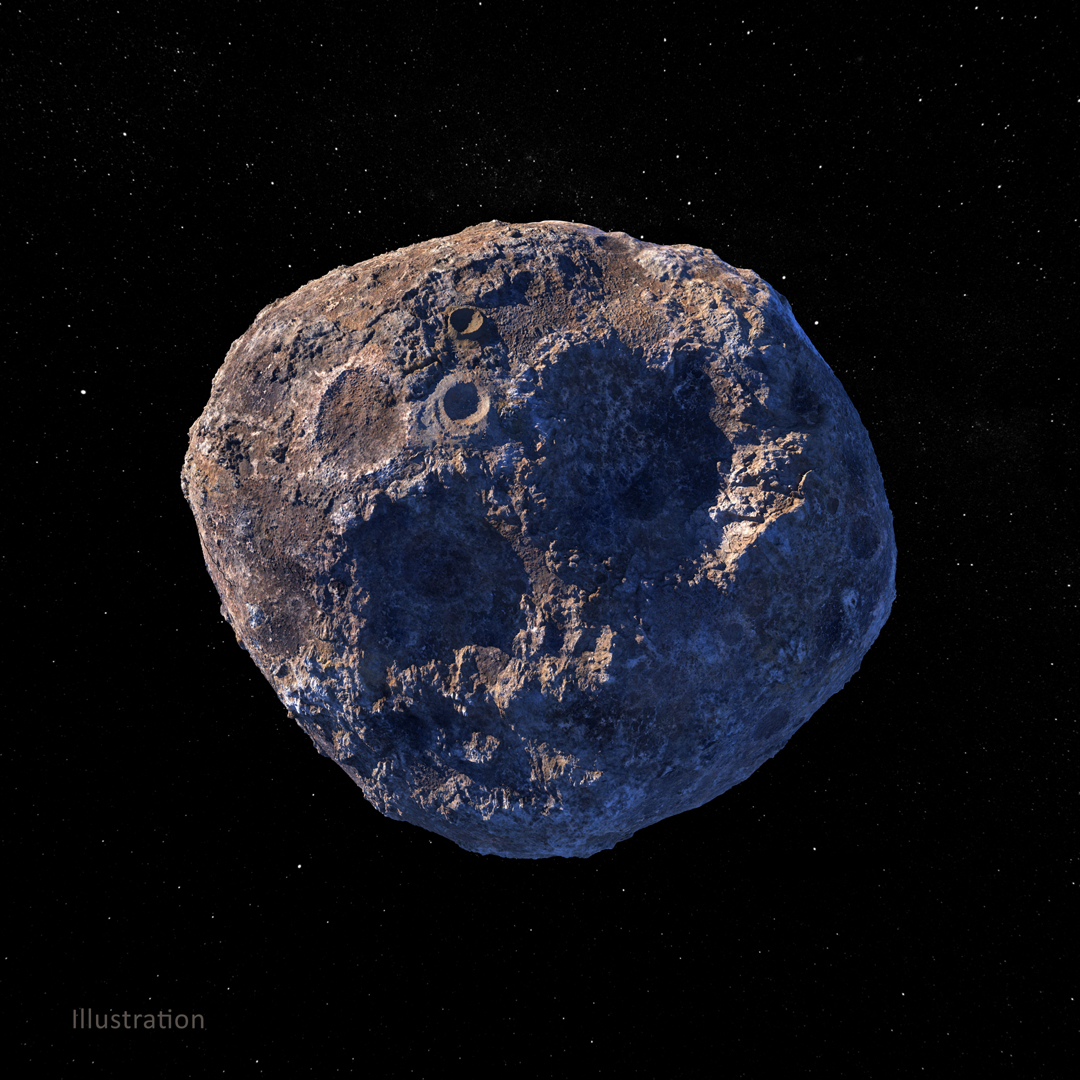
Psyche (16 Psyche) ist einer der massereichsten und faszinierendsten Asteroiden im Hauptgürtel mit einem Durchmesser von etwa 226 km. Sie umkreist die Sonne in 2,92 AE und ist als M-Typ (metallischer) Asteroid klassifiziert. Radarbeobachtungen und Dichtemessungen deuten darauf hin, dass Psyche größtenteils aus Eisen und Nickel besteht und möglicherweise den freigelegten Kern eines Protoplaneten darstellt, dem seine Gesteinskruste durch gewaltige Kollisionen in der Frühzeit des Sonnensystems entrissen wurde. Ihre geschätzte Masse beträgt etwa 2,2 × 10¹⁹ kg.
Beobachtungstipps
Psyche erreicht bei günstigen Oppositionen etwa 9,5 mag und erfordert ein kleines bis mittleres Teleskop. Die Helligkeit schwankt typischerweise zwischen 9,5 und 12 mag. Am besten um die Opposition herum zu beobachten, die etwa alle 16 Monate stattfindet. Die Rotationsperiode von etwa 4,2 Stunden kann subtile Helligkeitsschwankungen verursachen.
Geschichte
Psyche wurde am 17. März 1852 vom italienischen Astronomen Annibale de Gasparis am Observatorium Capodimonte in Neapel entdeckt. Sie war der sechzehnte gefundene Asteroid und wurde nach Psyche benannt, der griechischen Göttin der Seele. NASAs Psyche-Mission, gestartet im Oktober 2023, ist derzeit auf dem Weg zum Asteroiden mit geplanter Ankunft im August 2029.
Wissenswertes
Wäre Psyche ein massiver Eisen-Nickel-Körper, würde das darin enthaltene Metall zu aktuellen Marktpreisen geschätzt 10 Trillionen Dollar wert sein. Die NASA-Raumsonde Psyche nutzt solar-elektrischen Ionenantrieb und wird der erste Besuch eines metallischen Himmelskörpers durch eine Raumsonde sein.
Eigenschaften
Position & Bezeichnungen
Physikalische Eigenschaften
Bahneigenschaften
Brightness Forecast (next 12 months)
Apparent magnitude as Earth–asteroid distance changes through the year. The peak marks the brightest moment in the window — usually around opposition, when the asteroid is closest and fully illuminated.
Computed from JPL orbital elements via m = H + 5·log10(r·Δ). Phase-function correction is omitted, so curves trace distance variation only — accurate within a few tenths for main-belt asteroids; coarse for fast-moving NEOs near Earth.
Beobachtungstipps
Entdeckung
Aktuelle Ephemeriden
Wie leicht zu erkennen?
| Teleskop | Bortle 3 | Bortle 4 | Bortle 5 |
|---|---|---|---|
| 80 mm Refraktor 80mm Refr. | Mittel+ | Mittel+ | Mittel |
| 150 mm Newton 150mm Newt. | Leicht | Leicht | Mittel+ |
| Celestron C8 (203 mm SCT) C8 203mm | Leicht | Leicht | Leicht |
Bortle 3 = ländlich · 4 = Stadtrand · 5 = Vorstadt
Sichtbarkeit
Standort in den Benutzereinstellungen festlegen um Sichtbarkeitsdaten zu sehen.
Community-Fotos (1)
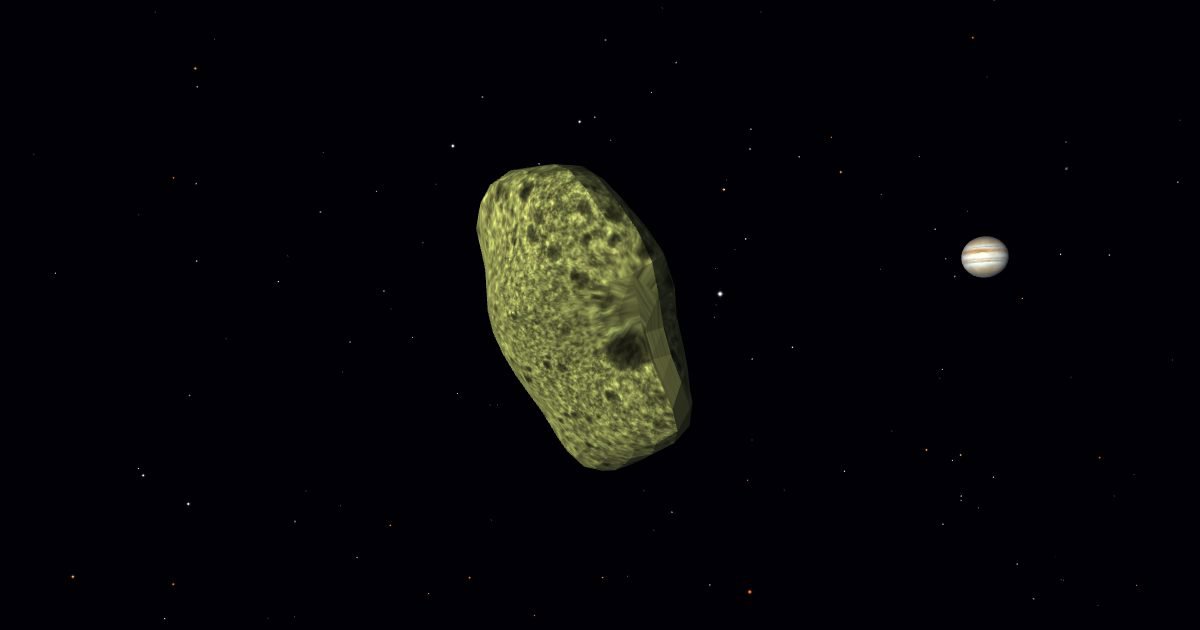
Rendered preview of Psyche from the Nightbase orrery, lit from the current Sun direction with the terminator visible.
Credit: Nightbase orrery render.
Skybred Apr 27, 2026
Nightbase entdecken
Verwandtes Wissen, Werkzeuge und Geschichten – ohne Beobachtungsplanung.
