物性
物理的性質
軌道要素
Brightness Forecast (next 12 months)
Apparent magnitude as Earth–asteroid distance changes through the year. The peak marks the brightest moment in the window — usually around opposition, when the asteroid is closest and fully illuminated.
Computed from JPL orbital elements via m = H + 5·log10(r·Δ). Phase-function correction is omitted, so curves trace distance variation only — accurate within a few tenths for main-belt asteroids; coarse for fast-moving NEOs near Earth.
観測のコツ
発見
現在の暦
見つけやすさ
| 望遠鏡 | ボートル3 | ボートル4 | ボートル5 |
|---|---|---|---|
| 80 mm 屈折 80mm 屈折 | 普通+ | 普通+ | 普通 |
| 150 mm ニュートン 150mm ニュートン | 容易 | 容易 | 普通+ |
| Celestron C8 (203 mm SCT) C8 203mm | 容易 | 容易 | 容易 |
ボートル3=田舎 · 4=郊外 · 5=住宅地
可視性
設定で観測地を設定 すると可視性データが表示されます。
コミュニティ写真 (1)
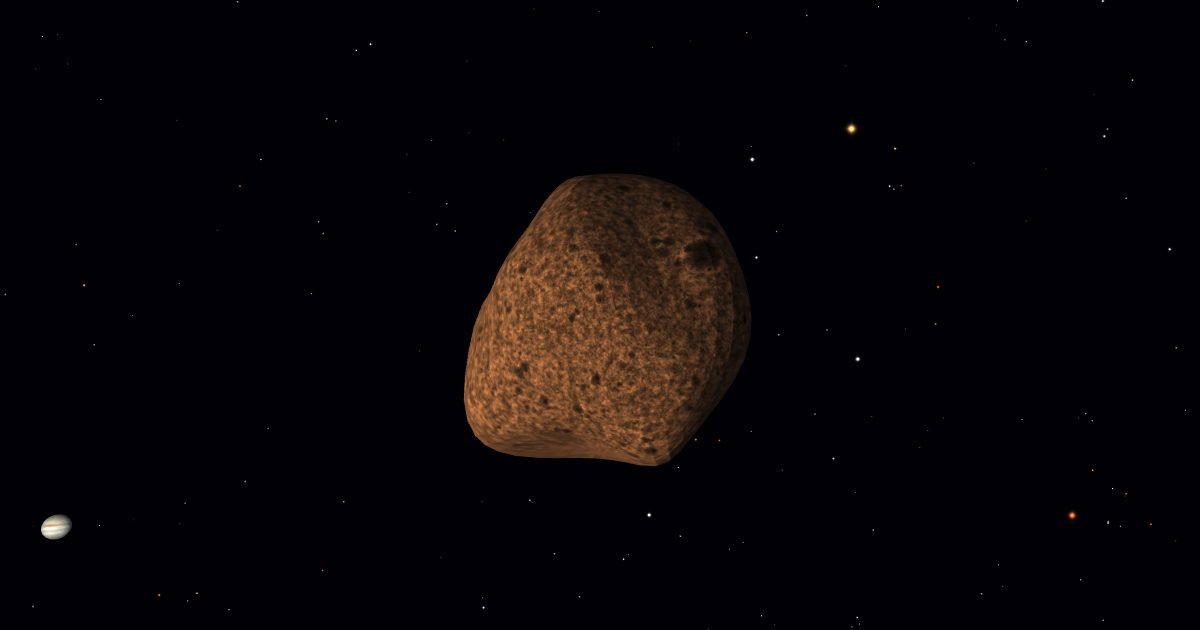
Rendered preview of Julia from the Nightbase orrery, lit from the current Sun direction with the terminator visible.
Credit: Nightbase orrery render.
Skybred Apr 27, 2026
Nightbase を探す
関連する知識・ツール・物語 — 観測計画は不要です。
