
Properties
Magnitude
-26.74
Angular Size
1920 arcmin
Type: Sun
Distance: 0.000 AU
Orbital Period: 0.0 days
Diameter: 1,392,700 km
Atmosphere: Hydrogen, helium
Features: Sunspots, prominences, corona
Our star; observe only with proper solar filters. Position computed from Earth's orbital elements.
Position & Identifiers
1 Physical Properties
Magnitude
−26.74 (apparent)
Abs. Magnitude
4.83 mag
Spectral Type
G2V
Star Color
Yellow
(B-V 0.656)
Temperature
5,778 K
Radius
1.00 R☉ (696,340 km)
Luminosity
1.00 L☉ (3.828 × 1026 W)
Mass
1.00 M☉ (1.989 × 1030 kg)
Age
~4.6 billion years
Star Type
Main Sequence (Dwarf)
MK Class
G2V
Distance
8.3 light-minutes (1 AU)
Metallicity
[Fe/H] = 0.00 (reference)
Rotation
~25.4 days (equatorial)
2
How to observe the Sun
Never look at the Sun without proper protection.
Direct viewing through any unfiltered telescope, binoculars, or camera viewfinder will cause permanent retinal damage in seconds. Always mount a certified solar filter on the front of the optic — eyepiece filters are unsafe. Approved methods: ISO 12312-2 eclipse glasses (naked eye only), full-aperture white-light filter (e.g. Baader film), Herschel wedge for refractors, or a dedicated H-alpha telescope.
3
Size Comparison
4
Compare Stars
5
Spectral Classification
6
Hertzsprung-Russell Diagram
Loading HR diagram…
7
Stellar Lifecycle
8
Blackbody Spectrum
9
Stellar Absorption Spectrum
Simulated absorption spectrum based on spectral type. Hover over lines to identify elements.
10
Stellar Fusion
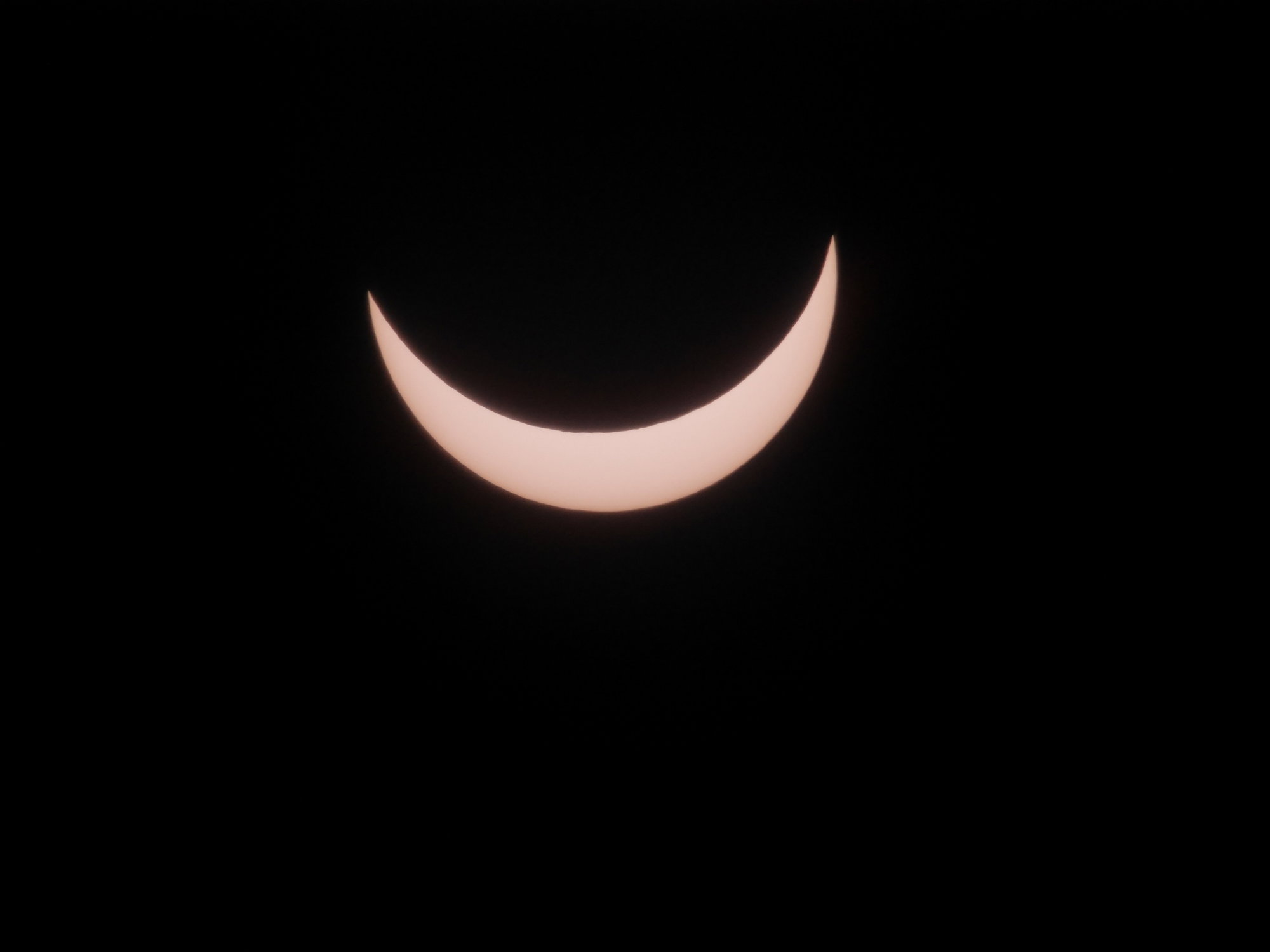
Community Photos (2)
Explore Nightbase
Related knowledge, tools, and stories — no observation planning required.
